
The Unseen Performer
How Vicon’s Next-Gen Software is Redefining the Art of Motion Capture
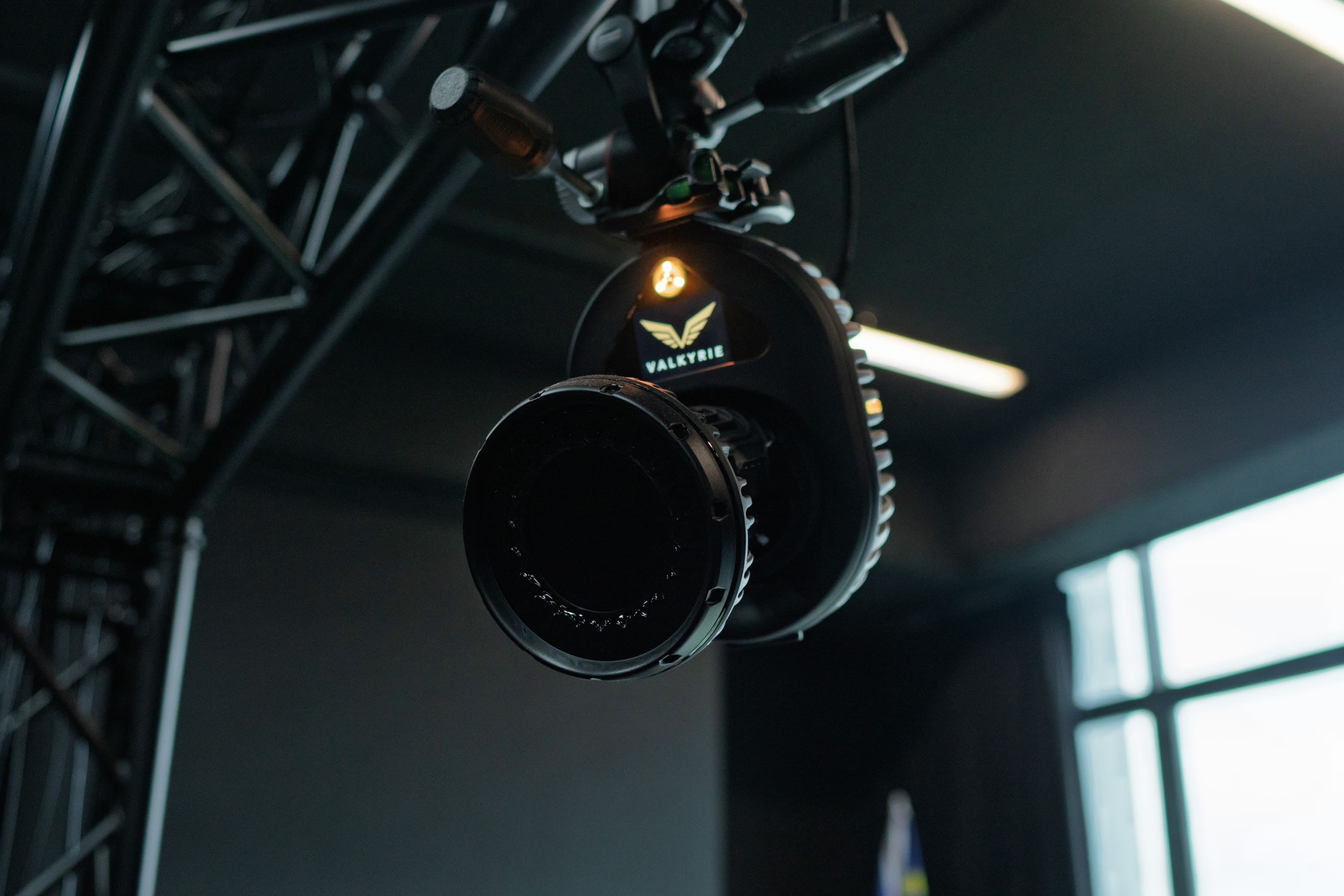
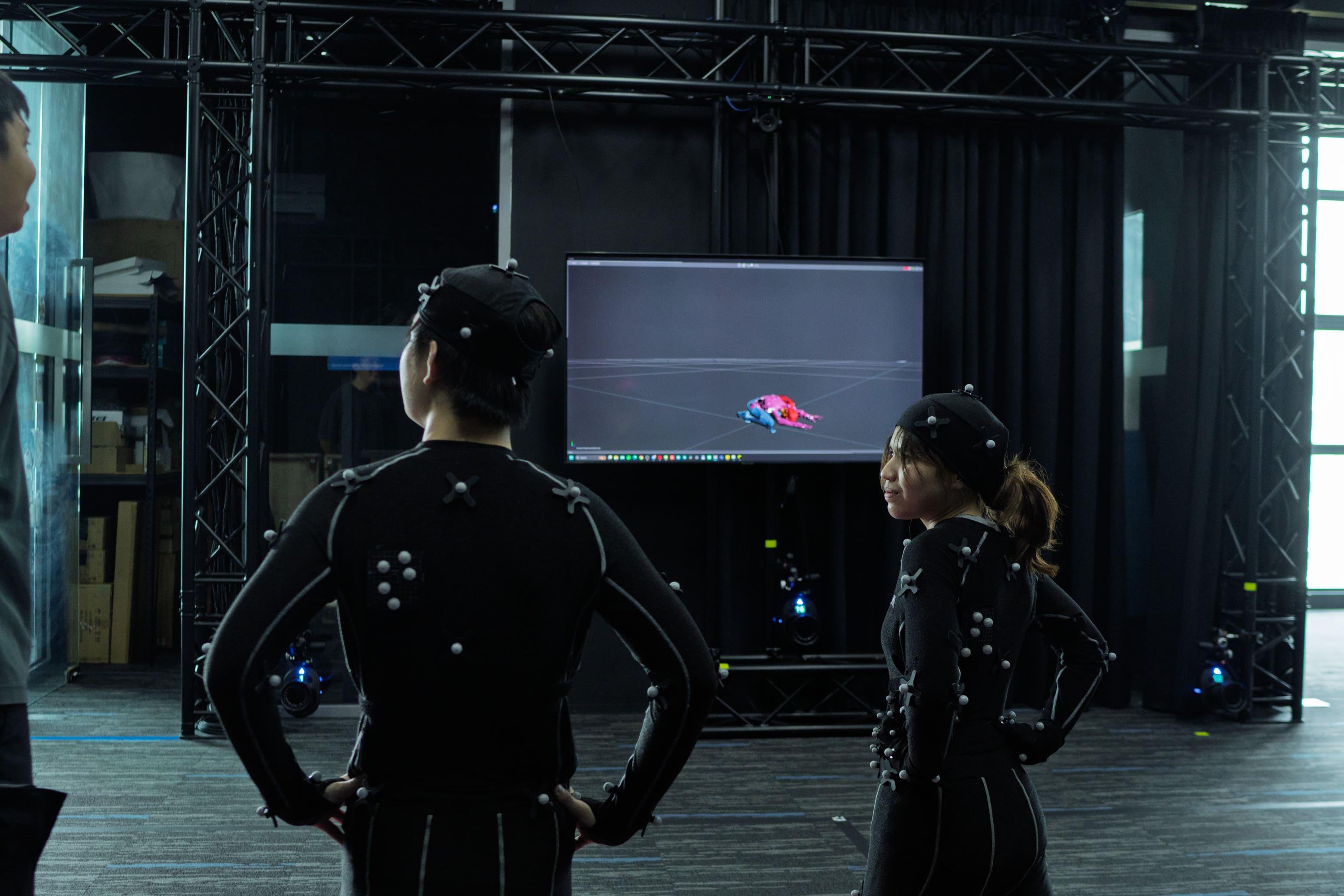
In a soundstage somewhere, a performer dons a skintight suit dotted with glowing markers. Cameras, perched like silent mechanical birds, track every minuscule movement. This is the iconic image of motion capture, a technology that has brought some of cinema’s most beloved characters to life, from the agile Na'vi of Avatar to the tortured primate Caesar in Planet of the Apes. For decades, the hardware—the cameras, the markers, the suits—has been the star of the show.
But a quiet revolution is underway. The true magic, it turns out, is increasingly happening not in the volume, but in the code. The latest generation of software from Vicon, the industry titan in motion capture, is shifting the paradigm. It’s no longer just about capturing data; it’s about understanding it, refining it, and deploying it with an unprecedented blend of power, precision, and simplicity.
From Data Deluge to Actionable Insight
Traditional mocap pipelines were often fraught with complexity. A single shoot could generate terabytes of data—a deluge of 3D point clouds that then had to be meticulously, and often manually, turned into a usable skeletal animation. This process, known as solving, was a bottleneck. It was time-consuming, required expert operators, and was notoriously vulnerable to occlusions (where a marker is blocked from the cameras' view) and false data, or "jitter."
Vicon's new software ecosystem, spearheaded by platforms like Vicon Nexus and Shōgun, is designed to attack this problem head-on with a multi-pronged approach powered by artificial intelligence and deep learning.
1. The Power of Predictive Tracking and AI-Solving
The most significant leap forward is the integration of machine learning into the solving process. Traditional solvers rely on rigid biomechanical models. If a marker is missing, the system might make a "best guess" based on the positions of its neighbors, which could lead to noticeable pops or errors in the animation.
The new software uses AI-trained models that don’t just look at the markers around a gap; they understand the context of the entire movement. It can predict the position of an occluded marker based on the performer's established movement patterns, the action they are performing, and the known limitations of human anatomy. This isn't just interpolation; it's inference.
The result? Cleaner data in real-time, with significantly fewer gaps requiring manual cleanup in post-production. This translates to:
- Faster Shoots: Directors and performers can see a more accurate representation of the final character live on set, enabling better creative decisions.
- Reduced Post-Production Time: Animators spend less time cleaning data and more time on nuanced performance.
- Higher Accuracy: Even in complex scenarios—like two performers grappling, or a dancer with flowing cloth that frequently obscures markers—the data remains robust.
2. The Democratization of High-End Mocap
Historically, operating a high-fidelity mocap system required a dedicated team of engineers and technicians. Vicon's new software focuses heavily on usability and accessibility.
- Intuitive Calibration: The process of calibrating the capture volume— essential for accuracy—has been dramatically simplified. Automated wand-waving and system checks are faster and more reliable, reducing setup time from hours to minutes.
- Streamlined Pipelines: Deep integration with game engines like Unreal Engine and Unity allows for real-time streaming of data directly into a digital environment. A performer on a soundstage can instantly see themselves as a dragon, a robot, or a cartoon character, enabling a more immersive and responsive performance.
- Multi-Disciplinary Functionality: The software isn't just for entertainment. The same system and software can be configured for sports science, biomechanics, and medical research, making high-end mocap technology accessible to a broader range of industries.
The Human Element: Empowering the Artist
A common concern with the rise of AI and automation in creative fields is the displacement of the artist. However, Vicon’s approach is quite the opposite. The goal of the software is to eliminate the tedious, technical burdens—the manual clean-up, the frustrating gaps in data—that have long plagued animators and technicians.
By handling the repetitive and complex computational tasks, the software frees up artists, animators, and researchers to focus on what truly matters: the performance, the storytelling, and the scientific insight. It empowers them to experiment more, to take creative risks, and to extract even greater value from the performance captured in the volume.

The Future is Now
Vicon's new software is more than an incremental update; it represents a maturation of motion capture technology. The focus has shifted from merely acquiring data to intelligently understanding and utilizing it. It's a move from a hardware-centric to a software-intelligent ecosystem.
This evolution ensures that motion capture remains an indispensable tool not just for entertainment, but for any field that relies on a precise understanding of movement. The cameras may see the performer, but it is the software that truly gives their performance meaning, flexibility, and life.
In the dance between human creativity and technological innovation, Vicon's latest suite ensures that the artist always leads, with the technology following in perfect, seamless sync. The unseen performer in the mocap volume is no longer just the actor in the suit; it's the sophisticated software that translates their every move into digital magic.